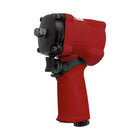
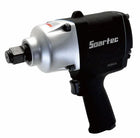
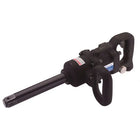
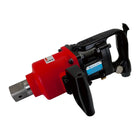
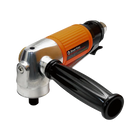
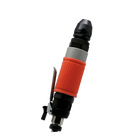
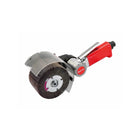
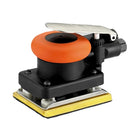
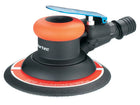
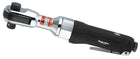
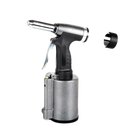
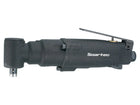
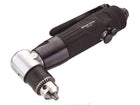
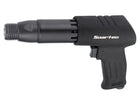
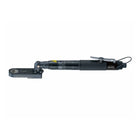
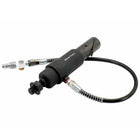
An air motor is a mechanical device that converts compressed air into power. By using air pressure to drive internal components such as a rotor and vanes, an air motor produces rotary or linear motion. This design is widely used in automation systems, industrial robots, production fixtures, and portable pneumatic tools.
For vane-type air motors, the contact between the vanes and the cylinder wall is a key factor that directly affects efficiency, torque output, and motor durability. By integrating vane springs, the motor can maintain more consistent vane sealing across different operating conditions, improving overall performance and extending service life.
Why Vane Contact Matters in a Vane-Type Air Motor
A vane-type air motor relies on vanes forming sealed chambers against the cylinder wall. Better sealing means less internal leakage, allowing compressed air to do more useful work and deliver more stable output.
In real-world applications, vane contact can become less stable due to:
• Low supply pressure or system pressure drop
• Frequent start-stop operation or low-speed running
• Rapid load changes requiring instant torque
When vane sealing becomes inconsistent, air consumption increases, torque drops, and wear accelerates. Vane springs help stabilize vane contact, reducing performance fluctuations and improving long-term reliability.
4 Key Benefits of a Vane Spring Air Motor
1. Improved Efficiency with Lower Air Consumption
Vane springs apply additional preload, helping vanes maintain tighter contact with the cylinder wall. This reduces internal leakage and flow loss.
Practical benefits include:
• Higher output efficiency under the same air supply condition
• Lower air consumption for the same required output
• Reduced load on compressed-air systems and improved energy efficiency
2. Stronger Torque Performance at Low Air Pressure
In many workshops, pressure drop caused by long air lines, multiple fittings, or system limitations can lead to weak tool performance, especially during startup or under load.
With vane springs, the motor maintains better sealing and driving force even at lower pressure, helping deliver:
• Better low-pressure starting capability
• More stable low-speed load performance
• Improved practical torque output in real operating conditions
3. More Uniform Contact for Longer Motor Life
Vane springs help maintain more consistent vane-to-cylinder contact throughout operation. This supports more even wear and reduces common failure modes such as:
• Uneven vane wear or edge damage
• Localized cylinder wall scoring
• Faster performance degradation over time
The result is longer motor life and more stable performance throughout the product’s service period.
4. Higher Efficiency and Longer Life Support Sustainability
The air motor is the core of many pneumatic tools. When the motor operates more efficiently and lasts longer, the overall tool service life can be extended.
This helps reduce maintenance and downtime costs, while also lowering replacement frequency and material waste. In short, a high-efficiency, long-life air motor is not only a performance upgrade but also a more sustainable design choice.
Applications Where a Vane Spring Air Motor Makes the Most Sense
A vane spring design is especially beneficial when your application involves:
• Pressure drop from long air lines or multiple connections
• Frequent start-stop automation stations
• Low-speed, high-load fastening or driving tasks
• Long-duty cycles requiring stable output
• Production lines aiming to reduce air consumption and improve energy efficiency
Air pressure, flow, load profile, and installation constraints all impact air motor selection and real-world performance. If your goal is to achieve a better balance of efficiency, torque stability, and service life, a vane spring air motor is a strong option to evaluate.